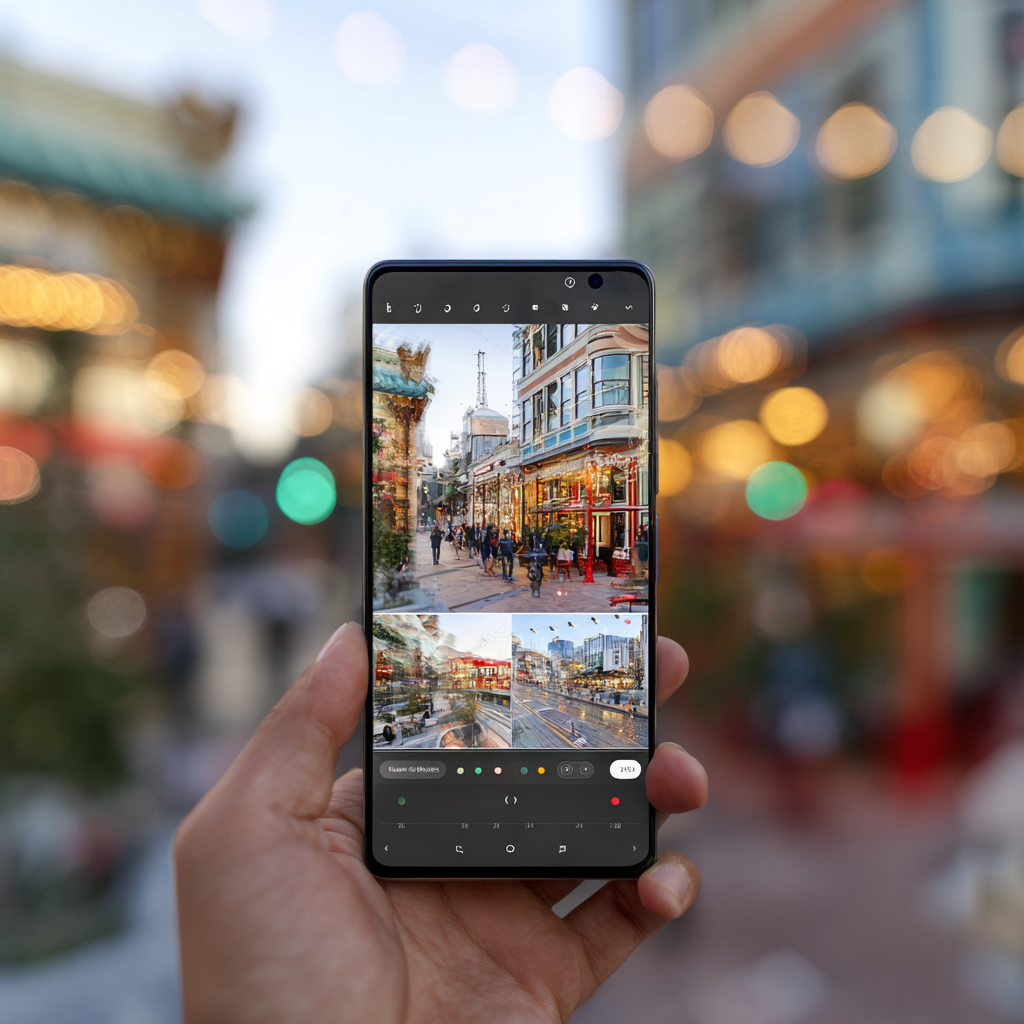
The Google Pixel 9 Pro represents Google's most ambitious smartphone to date, combining advanced AI capabilities with refined hardware design. Powered by the Tensor G4 chip and deeply integrated Gemini AI, this device pushes computational photography further than ever before. With features like Add Me, Video Boost with 8K upscaling, and Gemini Live conversational AI, the Pixel 9 Pro demonstrates how artificial intelligence can transform smartphone experiences. After weeks of testing across photography, productivity, and daily use scenarios, we examine whether Google's AI-first approach creates meaningful advantages.
AI Features: The Gemini Revolution
Gemini integration represents the Pixel 9 Pro's defining characteristic. Gemini Live enables natural conversational interactions with AI, allowing free-flowing discussions about topics ranging from trip planning to creative brainstorming. Unlike traditional voice assistants that handle discrete commands, Gemini Live maintains context across multi-turn conversations, creating more natural interactions.
The AI assistant proves genuinely useful for complex tasks. Planning a multi-city trip involves discussing preferences, receiving destination suggestions, and refining itineraries through conversational back-and-forth. Creative projects benefit from brainstorming sessions where Gemini offers ideas, critiques concepts, and helps refine approaches. The system understands nuance and context in ways previous assistants couldn't match.
Pixel Studio introduces on-device image generation powered by a diffusion model running on Tensor G4 and cloud-based Imagen 3. Creating custom images from text prompts produces surprisingly good results, useful for social media content, presentations, or creative projects. The combination of on-device and cloud processing balances speed with quality, generating usable images in seconds.
Pixel Screenshots organizes and recalls information from captured screenshots through AI analysis. The system extracts text, identifies products, and enables natural language searches across screenshot libraries. Finding that restaurant recommendation from three months ago becomes as simple as asking "What was that Italian place Sarah suggested?"
Call Notes provides automatic transcription and summarization of phone conversations, running entirely on-device for privacy. All participants receive notification that the call is being recorded, maintaining transparency. The feature proves valuable for business calls, customer service interactions, or any conversation where you need accurate records.
Camera System: Computational Photography Perfected
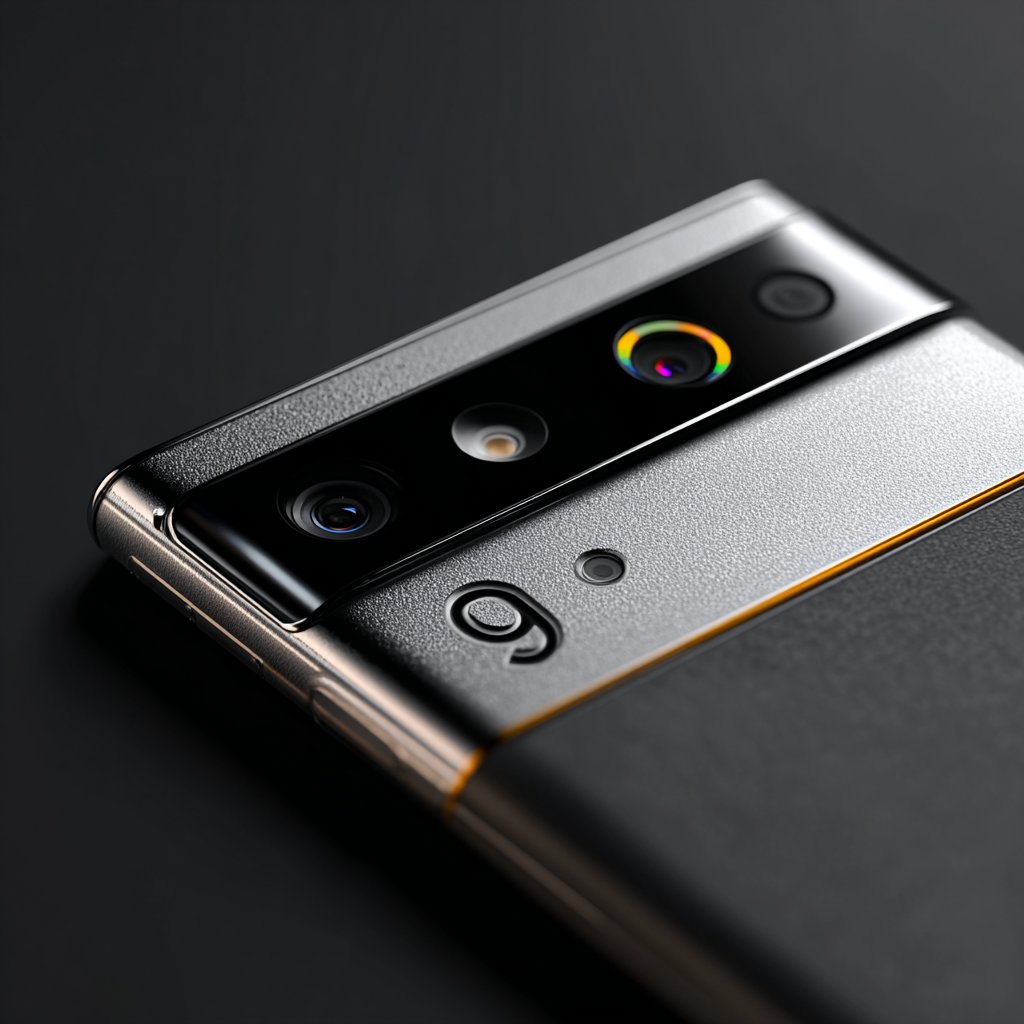
The triple camera system showcases Google's computational photography expertise. The 50MP main sensor pairs with a 48MP ultrawide and 48MP 5x telephoto periscope lens, creating a versatile shooting platform. However, the real magic happens in software processing, where AI algorithms transform good photos into exceptional ones.
Add Me solves the classic group photo problem where the photographer gets excluded. The feature captures two photos—one of the group, another with you swapped in—then seamlessly merges them. The AI processing handles perspective, lighting, and color matching so well that detecting the composite becomes nearly impossible. This seemingly simple feature delivers genuine value, ensuring nobody misses group memories.
The 42MP front camera represents a significant upgrade, capturing sharper selfies with improved low-light performance and a wider field of view for group shots. The enhanced sensor works particularly well with portrait mode, producing natural background blur and accurate edge detection even in challenging lighting.
Night Sight continues pushing low-light photography boundaries. The AI analyzes multiple exposures, intelligently combining them to reduce noise while preserving details. Results surpass what seems possible from such a small sensor, producing clean, well-exposed photos in near-darkness. Astrophotography mode captures stunning starry skies that rival dedicated cameras.
Video Boost applies AI upscaling to deliver 8K resolution video, enabling 33MP still image extraction from video or 2x digital zoom in post-production while maintaining 4K resolution. Super Res Zoom Video extends to 20x with the telephoto lens, maintaining impressive quality at magnifications where most smartphones produce unusable footage.
Zoom Enhance intelligently fills gaps between pixels and predicts fine details for high-quality post-capture zooming. The feature enables cropping and zooming into photos after capture without the typical quality degradation, effectively extending your lens range.
Technical Specifications
| Display | 6.3" LTPO OLED, 1280 x 2856, 120Hz, 3000 nits peak |
|---|---|
| Processor | Google Tensor G4 |
| RAM | 16GB LPDDR5X |
| Storage | 128GB / 256GB / 512GB |
| Main Camera | 50MP, f/1.68, OIS |
| Ultrawide | 48MP, f/1.7, 123° FOV |
| Telephoto | 48MP periscope, 5x optical zoom, OIS |
| Front Camera | 42MP, f/2.2 |
| Battery | 4700mAh |
| Charging | 27W wired, 21W wireless |
| Price | From $999 |
Performance and Tensor G4
The Tensor G4 chip prioritizes AI acceleration over raw benchmark performance. While it doesn't match Snapdragon 8 Gen 3 or Apple's A17 Pro in traditional speed tests, the focus on specialized AI processing enables the unique features that define the Pixel experience. For everyday tasks—web browsing, social media, productivity apps—performance proves more than adequate.
Gaming represents the Tensor G4's weak point. Demanding titles run acceptably but don't achieve the frame rates or graphics settings possible on competing flagship chips. Thermal management under sustained gaming loads causes throttling, reducing performance over extended play sessions. For serious mobile gamers, other flagship phones provide better experiences.
Where Tensor G4 excels is AI-accelerated tasks. Real-time language translation, advanced photo processing, voice recognition, and machine learning workloads leverage specialized hardware unavailable in general-purpose chips. These capabilities enable features impossible on competing devices, creating genuine differentiation beyond mere spec sheets.
The 16GB RAM allocation supports aggressive multitasking and background processing. Apps remain in memory longer, AI features operate smoothly without lag, and the extra memory benefits AI model loading and processing. Google's long-term support for Pixel devices makes this generous RAM allocation valuable for future-proofing.
Display and Design
The 6.3-inch LTPO OLED display delivers exceptional image quality. Peak brightness reaches 3000 nits, ensuring excellent outdoor visibility even in direct sunlight. The 120Hz adaptive refresh rate scales from 1Hz to 120Hz based on content, balancing smoothness with battery efficiency. Colors appear vibrant without oversaturation, and the display supports HDR content beautifully.
Design refinement shows in subtle details. The polished aluminum frame feels premium, the matte glass back resists fingerprints while providing secure grip, and the overall proportions create a comfortable handheld experience. At 199 grams, the Pixel 9 Pro feels substantial without becoming burdensome during extended use.
Available in Obsidian, Porcelain, Hazel, and Rose Quartz colors, the design language evokes sophistication and refinement. The camera bar remains divisive aesthetically but provides functional benefits for table stability and easy identification. Build quality meets flagship standards throughout, with tight tolerances and high-quality materials.
Software and Updates
Pixel phones receive Android updates faster than any competitor, often by months. Google promises seven years of OS updates and security patches, matching Apple's long-term support and surpassing most Android manufacturers. This extended support timeline makes the Pixel 9 Pro a wise long-term investment, ensuring relevant functionality and security for years.
Stock Android with thoughtful Pixel enhancements creates a clean, fast interface. Google avoids the bloatware and heavy skins common on other Android phones, resulting in smooth performance and logical organization. Exclusive features like Call Screening, Hold for Me, and Live Translate provide genuine utility without cluttering the experience.
The integration between hardware and software shows Google's advantage as the Android creator. Features work reliably, updates install smoothly, and the overall experience feels cohesive rather than cobbled together. While lacking some features of heavily customized Android skins, the Pixel approach prioritizes stability and simplicity.
Battery Life and Charging
The 4700mAh battery provides solid but not exceptional endurance. Moderate use typically delivers a full day with 15-20% remaining, while heavy users pushing the AI features and camera system may need midday top-ups. The Tensor G4's efficiency improvements help, but the powerful AI processing consumes considerable power.
Charging speeds lag behind Chinese competitors offering 100W+ fast charging. The 27W wired charging takes approximately 80 minutes for a complete charge, while 21W wireless charging requires even longer. While not painfully slow, users accustomed to ultra-fast charging may find the speeds disappointing.
Adaptive charging learns your routine, slowly charging overnight to reach 100% just before your typical wake time. This approach extends battery longevity by reducing time spent at full charge. Battery health features provide transparency about degradation, helping users understand long-term performance.
Strengths
- Exceptional AI-powered camera system
- Gemini Live conversational AI
- Seven years of software updates
- Brilliant 3000-nit OLED display
- Unique AI features unavailable elsewhere
- Clean stock Android experience
- Excellent computational photography
- 42MP front camera for superior selfies
Limitations
- Tensor G4 lags in gaming performance
- Slower charging than competitors
- Average battery life under heavy use
- Higher price than previous Pixels
- AI features require internet connectivity
- Limited availability in some regions
Final Verdict
The Google Pixel 9 Pro represents a watershed moment in smartphone evolution, demonstrating how AI can meaningfully enhance device capabilities beyond incremental spec improvements. The camera system produces exceptional photos through computational intelligence rather than just larger sensors, while Gemini integration provides genuinely useful AI assistance rather than gimmicky features.
For photography enthusiasts, the Pixel 9 Pro delivers unmatched computational photography capabilities. Features like Add Me, Video Boost, and advanced night photography produce results impossible on competing devices. The AI-powered editing tools extend creative possibilities, making professional-looking edits accessible to everyone.
The Tensor G4's gaming limitations and moderate battery life represent acceptable compromises for users prioritizing photography, AI features, and software longevity. However, mobile gamers and power users should consider alternatives with more powerful processors and faster charging.
The Pixel 9 Pro earns a strong recommendation for users seeking the best computational photography and advanced AI capabilities in a smartphone. It represents Google's vision for AI-enhanced mobile computing, delivering features that genuinely improve daily use rather than serving as mere marketing bullets. For the right user, it's the most innovative smartphone available.